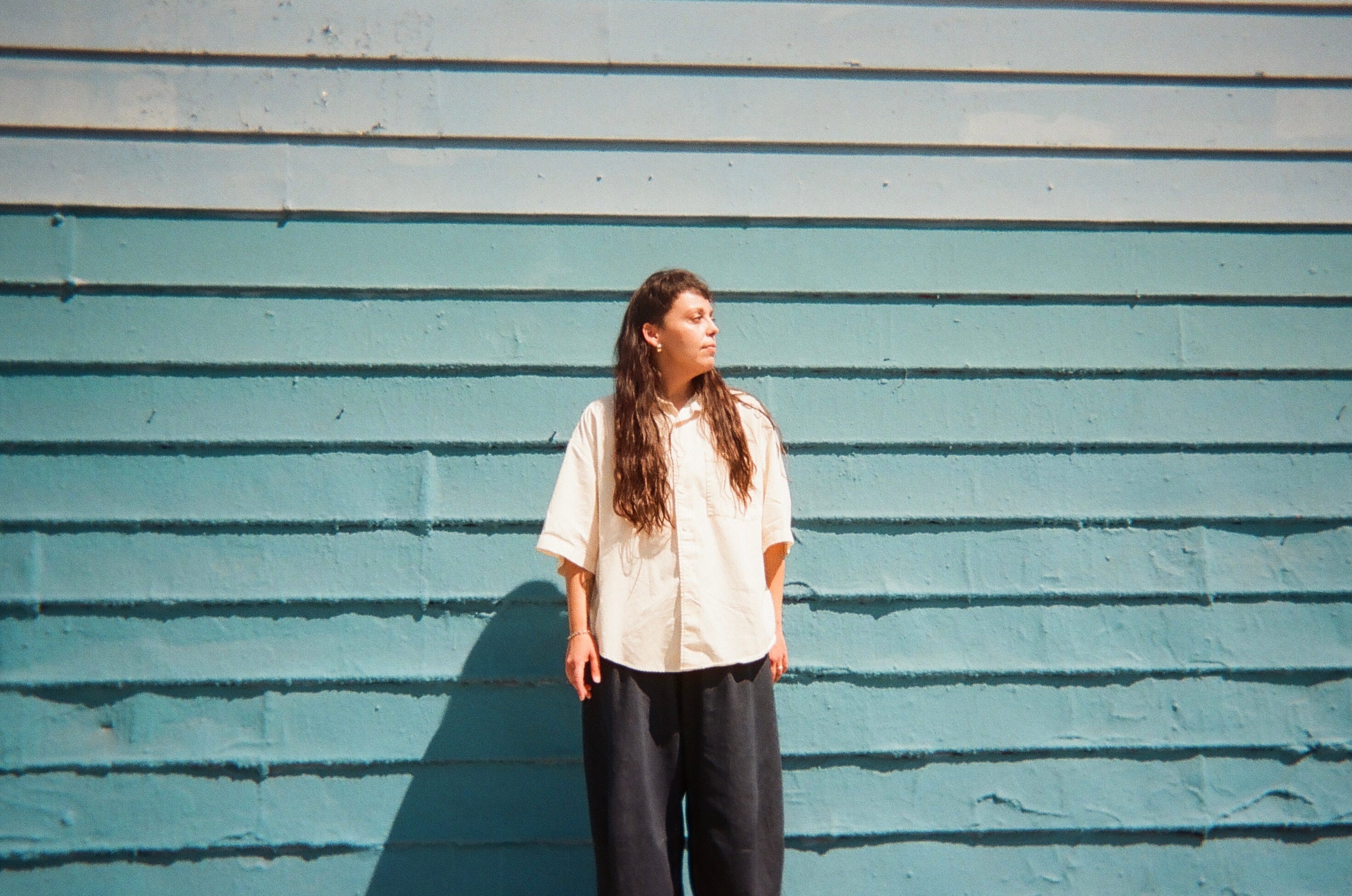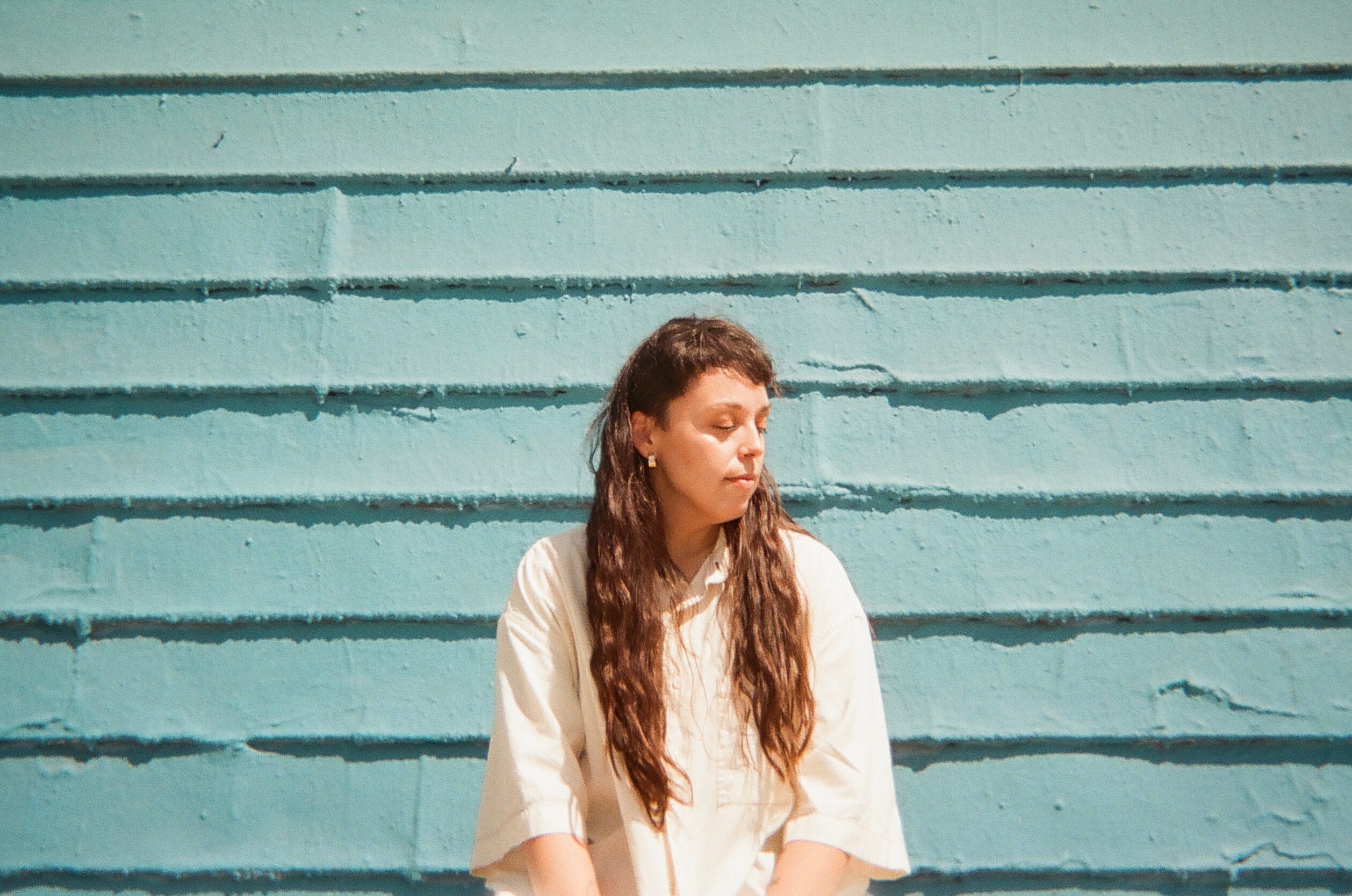
Terra Lopez never knows how to answer the question “how do you describe your music?”
Luckily for us both, she mentions this before I had the chance to bring up that exact question, which spares us both the awkwardness of me asking it. Regardless, she offers some answers anyway. “Electronic” could work, but most seem to think of dance or techno when she says that. “Alt RnB” has potential, but falls short of encapsulating all the elements. Most people seem drawn to the “trip-hop” label, and admittedly, since that genre sits at a cross-section of several styles, it’s one of the descriptors best suited to capturing the music’s multivalence. But in the end, Lopez admits she usually gives in, and about her music simply professes—
“It’s not pretty, but it’s real.”
It feels an apt description — and also a misleading one. Because the music itself IS pretty. One listen to the closing track, “Rewound,” on her latest project should make that pretty apparent: delicate vocal harmonies drift across a lush pillow of harp strings and ambient synth pads while Lopez croons “have you ever wondered where your soul starts?” — this isn’t exactly dissonant and harsh. But while discussing “Rewound” Lopez reveals its inspiration: watching her father-in-law pass from terminal illness. And now the meaning of “not pretty” comes into focus: it’s true to life, honest about a reality that pulls no punches.
But there is beauty in this authenticity. And so, about describing the music we might amend: it’s not pretty but it’s beautiful. For Lopez, openness and authenticity are second nature. That’s just who she is; she can’t play it another way. And though she admits that, for a time in her youth, she bought into the whole “tortured artist” mythology, she’s now firmly at a point of her life where joy is paramount. The question for her then becomes how to express this joy, this light, without doing a disservice to life’s darker corners. Her answer, in part, comes in the form of her latest release, an EP titled Endure — an honest expression of lived hardships, and the beauty and joy inherent in the human capacity to endure. The story of Rituals of Mine, and by extension Lopez’s story, is one of endurance. From major label representation, collaborating with some of her idols, numerous personal losses, and torrents of self-doubt leading her to nearly quit music twice — over the years there was much to celebrate and much to be wounded by. In my conversation with her, I learned about the rituals of creativity, authenticity, and joy that brought Lopez all the way back from the very brink, and into the studio once more, to the “not-pretty-but-real” music she encounters within herself again and again.
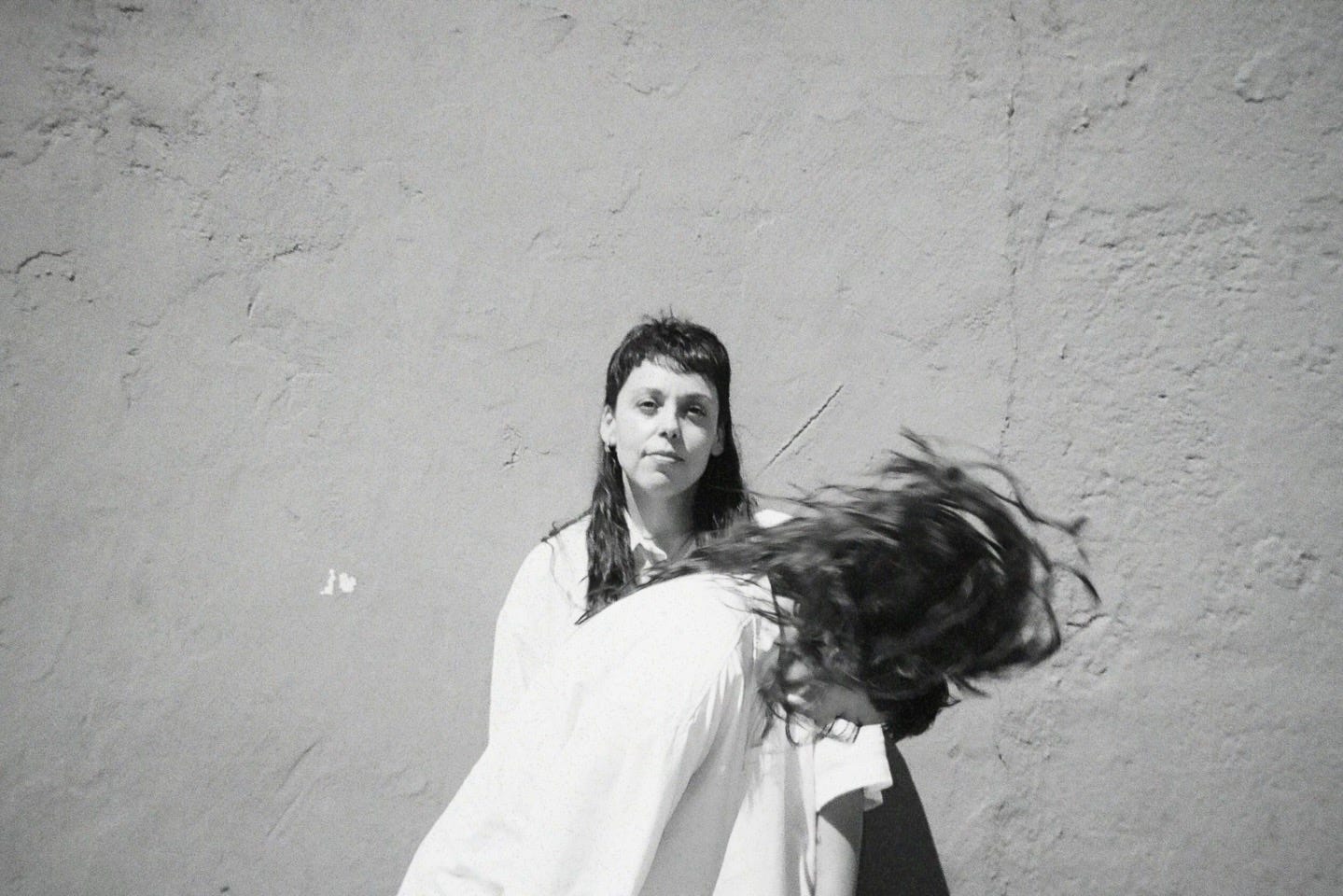
It’s a cloudless and warm spring evening, and as Lopez calls me from her home, the sky outside her window is slowly darkening into dusk. Where is home exactly? For Lopez, it’s Sacramento, California. It was home at the very start, and now it’s home once again. In between these bookends was a move to Los Angeles, a short-lived stint at Long Beach State, some time in the Bay Area, and the abundance of far-and-wide wandering that life as a touring musician brings. But through it all, Lopez keeps returning to Sacramento, a city and a hometown that has left its indelible imprint on her sense of identity. So what keeps her coming back?
“Vastness.”
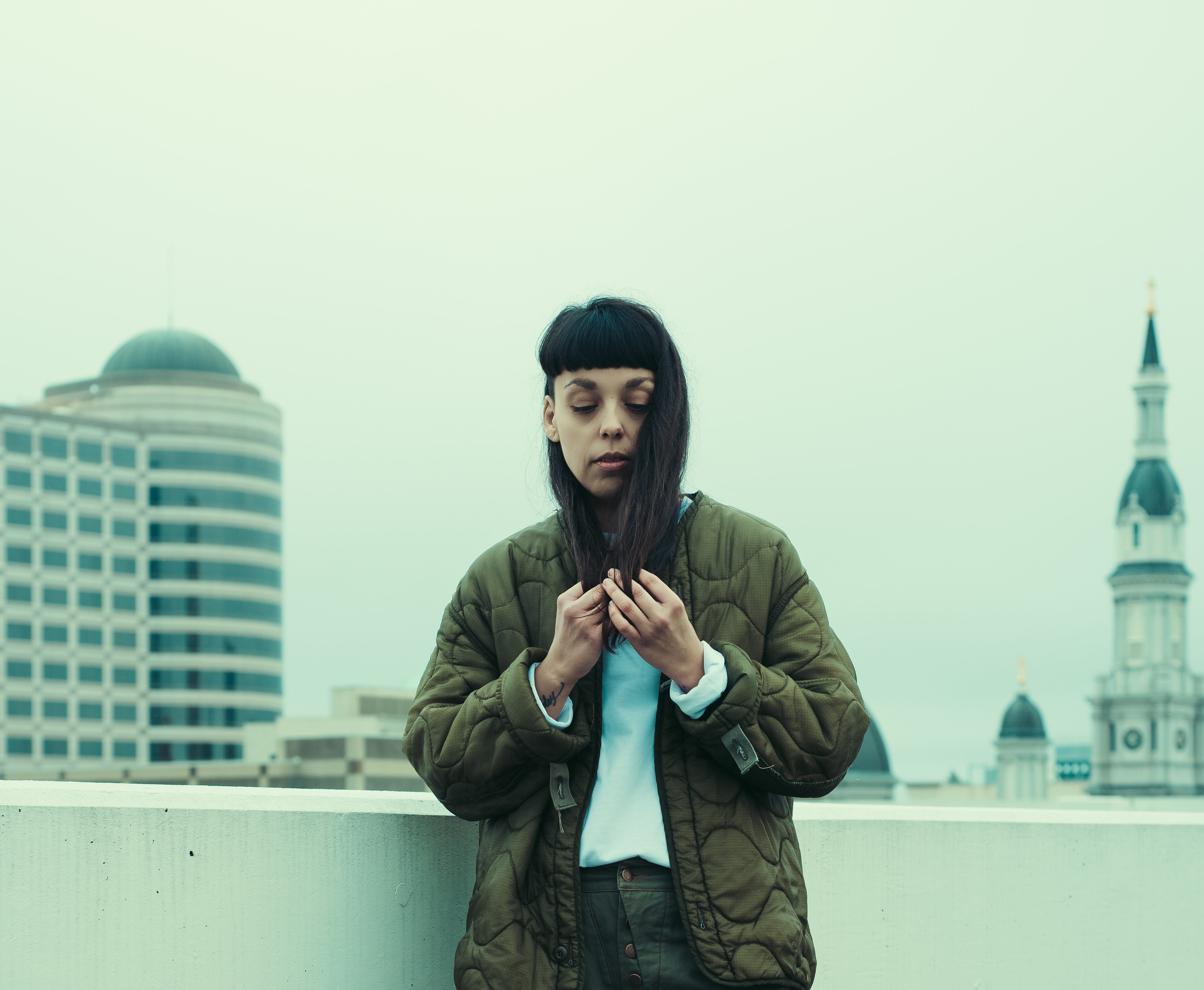
“[I] grew up in a very desolate part of Sacramento, South Sacramento,” Terra recalls. “At least for me, I felt like I had the space and the time to really hone my voice and craft, and figure out what it is I wanted to do. And so I spent years doing that, like really under the radar.” Perhaps it’s a bit counterintuitive for anyone with hip art-world and entertainment industry aspirations to view the fast-moving hustle and bustle and busy cultural scenes of metropolitan centers as a hindrance to their artistic development. But what may be a plethora of opportunity and participation for one artist might be a burnout-inducing pressure cooker for another. To Terra, trial and error and the space to fail while in the process of finding herself were incredibly important, and that’s exactly what her hometown was able to provide.
This is not to say the Sacramento music scene is lifeless, in fact quite the contrary. “So many incredible artists that kind of found their home here because it wasn’t the hectic-ness of LA, and it wasn’t as expensive as the Bay.” Terra recalls making music with childhood friend Chelsea Wolfe, seeing the rise of indie-folk stalwarts Joanna Newsom and Devendra Banhart, as well as experiencing the immense pride Sacramentans had in sharing their hometown with alt-metal icons Deftones. Even up to this day, the local scene proves to be the gift that keeps on giving, as Sacramento-based jazz/hip hop quartet LabRats recently helped Terra usher in a new era of Rituals of Mine (but more on this later).
All that said, Terra does admit to a bit of restlessness as a child due to the “vastness” of her surroundings — no doubt the kind of restlessness that results in a child becoming thoroughly obsessed with music, literature, and radio (to the point that her father has to ban her tiny portable AM radio from the dinner table at meal time). “I was always in love with music, as far back as I can remember. Nothing else made sense to me. It was either reading or music.” That much is as true now as it was then. While showing me some of her many poetry and music-related tattoos, Terra shares—
“When I say that music and books saved me, it’s not to be dramatic, it’s so true, like it’s such a tangible thing.”
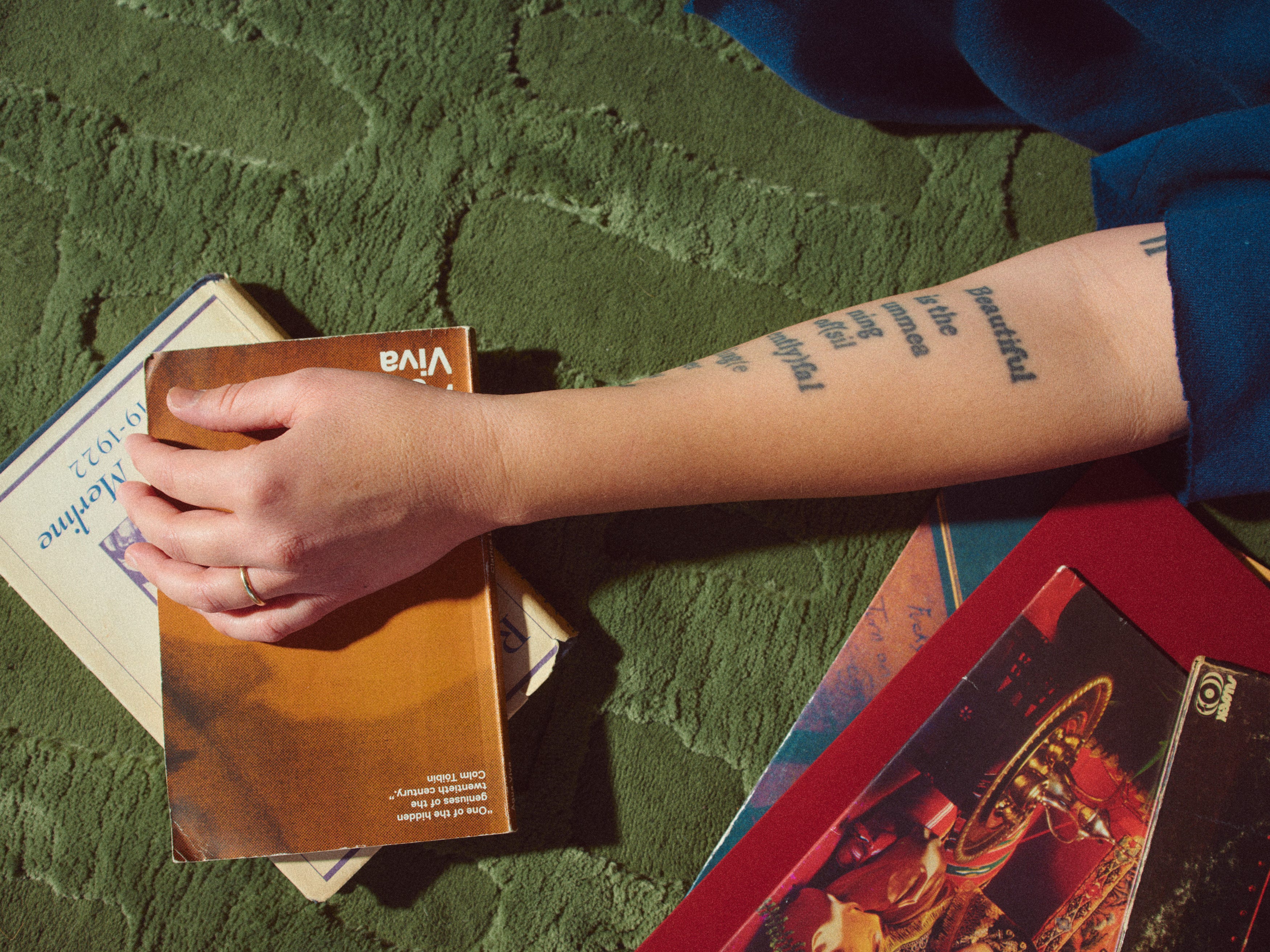
As a child, she belted along to the 50s love songs on the oldies stations her AM radio tuned into (she professes this sound still influences her, though she caveats that she’s not one to write typical love songs in that sense). In high school, friends would introduce her to acts like PJ Harvey and the Pixies, and the influx of new and exciting music pushed her further towards the idea of being in her own band. But it wasn’t until a short stint at CSULB that it really crystalized into a full-on life path. Short on nearby friends, and flush with free time, she took to practicing her singing, listening to her favorite singers and dissecting their songs line by line. Somewhere along the way, it clicked that this was what she wanted to do. She moved back to Sacramento and started a new project, a trip-hop / hip-hop / jazz duo called Kyoto Beat Orchestra. The project that followed that one was dubbed Sister Crayon. And from there—
“It happened really quickly.”
A writer writes a piece on a Sister Crayon house show.
A record deal is penned with Manimal vinyl.
One moment she’s writing songs in her own living room, playing shows on kitchen floors; the next she’s performing her songs on stage at SXSW, and getting her record reviewed by the BBC, while Sister Crayon music videos air on television. Suddenly in the spotlight, she’s sharing stages with artists she’s long revered (Tricky, Deftones, Built to Spill) while also racking up notable collaborations: a feature on a Tricky record, and Omar Rodríguez-López (The Mars Volta, At The Drive In) playing the producer role on her 2016 record Devoted.
In Terra’s own words, “It was just wild.”
What started with Terra teaching herself how to sing to kill idle hours at Long Beach State (or arguably long before that, to all of her captive teddy bears) had resulted in wide recognition by international audiences. And, as Warner called Terra and Co. up to the big leagues, the name Sister Crayon was, for her, becoming outdated. “I love the name, but it was so silly. It was like a fun alter ego that I made when I was drunk one night, writing a letter to someone… There was a lot going on in my life at the time, and so I just felt like I needed a change—
— and that’s where Rituals of Mine came about.”
Taken from a lyric on her Devoted project, the name refers to Terra’s relationship with her singing practice, shall we say, this “Ritual of [Terra’s]?” Naturally Terra has a lot to say about her rituals. “They’re sacred to me, really,” Terra says, “and when I don’t do them I really don’t feel connected to myself. Whether it’s a morning ritual, or a nightly ritual, or a pre-show ritual, or even just something as simple as a vocal warm-up — even if it’s boring, it’s like, ‘no, this is still like a part of the process.’ It’s very important.” Terra recalls even as a child being obsessively devoted to seemingly odd or random rituals to test her willpower and commitment. “For instance, once I was obsessed with only eating white rice for a whole month. There was no reason to do that, but I just wanted to test, like, can I stick to that? Can I stick to something?” But this stick-to-itiveness for some can be a double-edged sword. “Earlier on, that word ‘structure’ really did scare me and I did associate it with like the killing of creativity,” she recounts. We come to agree that it’s easy to erroneously conflate “rituals” with obsessive and toxic productivity, which in the context of a modern grind-fixated culture, is entirely understandable.
As Terra intuited, avoiding rituals in one’s life for fear of their restrictive nature, or confusing them for mere means to an end, is potentially dire. This leads to individuals avoiding rituals altogether in their traditional sense. Philosopher Byung-Chul Han argues that the erosion of rituals in modern daily life is leading to an increased lack of meaning and connection among individuals as they become alienated from grounding habits, expressions of play and creativity, and connection with community. That vacuum is subsequently filled by toxic productivity, a plethora of consumerist distractions, increasing social isolation, and the meaningless torrents of unstructured information modern life assails us with. To Terra’s point, rituals are actually a SALVE, not the restricting cage they might appear to be at first glance. Han further defines rituals as such:
“Rituals can be defined as temporal technologies for housing oneself. They turn being in the world into being at home. Rituals are in time as things are in space. They stabilize life by structuring time.”
This is the crucial shift. Experience has taught Terra that rituals are not the “handcuffs of rigid structure” anathema to creativity; rather they allow one to construct a “home” across time, a sanctuary to return to again and again, a bulwark against the ever chaotic and demanding outside world. That said, Terra’s latest rituals are perhaps the ideal home, prioritizing groundedness and sheer joy.
However, these present-day habits of joy are hard-fought and hard-earned. In 2016, just as she had signed to Warner, Terra lost several loved ones through back-to-back tragedies. In the time afterward, she had to stave off extreme burnout while trying to process trauma and grief, all while simultaneously leading the creatively demanding and exhausting lifestyle of a recording and touring musician on a major label. A ritual of creating and performing is precarious without complementary rituals of rest and repair.
“Performing used to feel like a battle to me.”
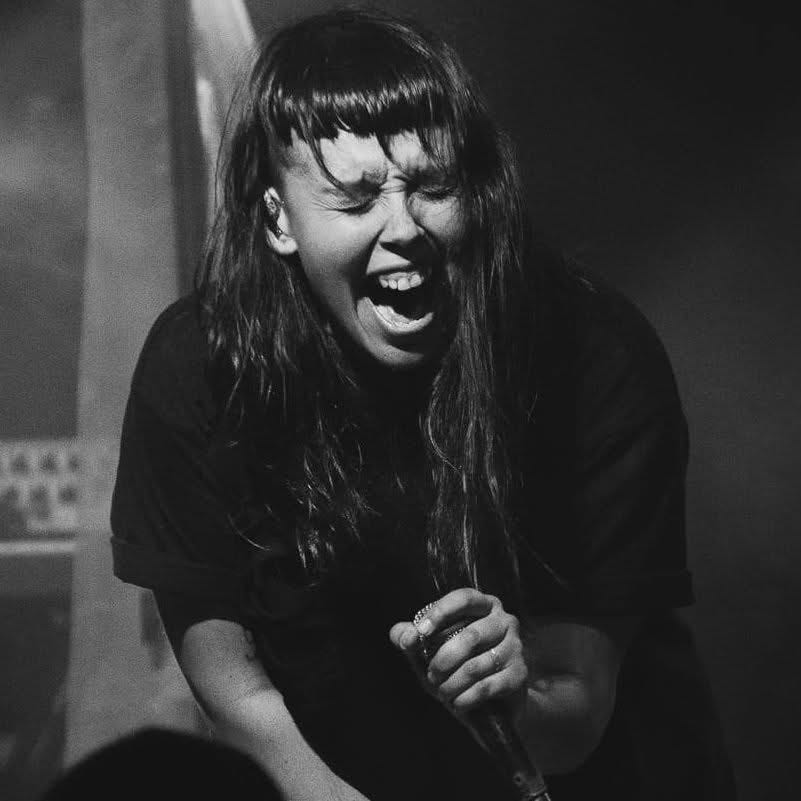
“Every night I’d get up on stage, and it was like I was at war. It was very therapeutic and very cathartic, but it was serious, and it was intense, and it was, you know, just this high-high-stress thing for me.” It’s no wonder that on her 2020 project HYPE NOSTALGIA she turned to nostalgia for inspiration, cathartically channeling a lost past amidst all the present rancor. Its release proved especially timely, as half a year into Covid-19 lockdowns, pining for the way things used to be was a widespread feeling in the collective mindset. The record was filled with emotional catharsis, but in the years following Terra still felt troubled, and at a crossroads. The industry she had been operating within her whole career was facing seismic changes; between the pandemic, the rise of AI, and the increasing inequities wrought by the streaming era and ticketing platform monopolies, the future was looking increasingly untenable. Terra’s ritual of music was slowly devolving into a stressful professional obligation without any of the personal fulfillment that performance once offered. “Why am I doing this?” became a recurring question. She was at a point of existential crisis: unsure if she really wanted to be a musician anymore, but also unsure what her life was if she wasn’t one. She had to take time off from music, with her return timeline being an open-ended question, that is if she was going to return at all…
“Who am I outside of this thing?”
A daunting question. But the truth is, Terra Lopez is A LOT outside of Rituals of Mine. Between her acclaimed art exhibition This Is What It Feels Like, the companion NPR podcast she hosts of the same name, her tenure at Backline (a non-profit organization bringing mental health resources to music industry professionals), her position on the board of directors at the equity-promoting organization BOOK MORE WOMEN, and her latest work at RAMPD supporting musicians and creators with disabilities, Terra finds plenty to do off-stage and outside the studio. To “career musician” we might add: exhibiting artist, podcast host, activist, advocate, marketing professional, bookworm, boxer, wife, and dog mom (just to name a few). And though undoubtedly, Terra is both a musician and a music lover through and through (if she ever says otherwise I would advise suspicion — “who are you and what have you done with Terra!?”), it was less a question of music being in her life at all (it certainly always would), and more about whether or not continuing the Rituals of Mine project (or any music project that went beyond purely being a hobby) was both feasible and worthwhile.
So Terra took a year off from her usual heavy involvement in music. “I went to therapy, I did EMDR, I got a life coach, I really started taking care of my health and my mental health, I tried new hobbies,” Terra recounts. The focus on therapy and self-care was utterly life-changing. But the new hobbies, as much as she may have enjoyed them, didn’t fill the Rituals-of-Mine-sized hole in her life. Could anything else fill it?
SPOILER: nope.
Fittingly enough, it was her hometown of Sacramento that stepped in to answer her dilemma. Firstly, in the form of easy access to a recording studio a mere five minutes from her home, allowing a routine of creativity to rekindle in her life. Secondly, and perhaps more importantly, a budding collaboration with some fellow Sacramentans. “I finally fell in love with music and performing again once I got into a room with my new band, LabRats. They’re so wonderful, they’re incredible humans, and just insane musicians. Just being around that energy was what I needed to fall back in love with the craft of singing, with pushing myself…”
“…I just found my community.”
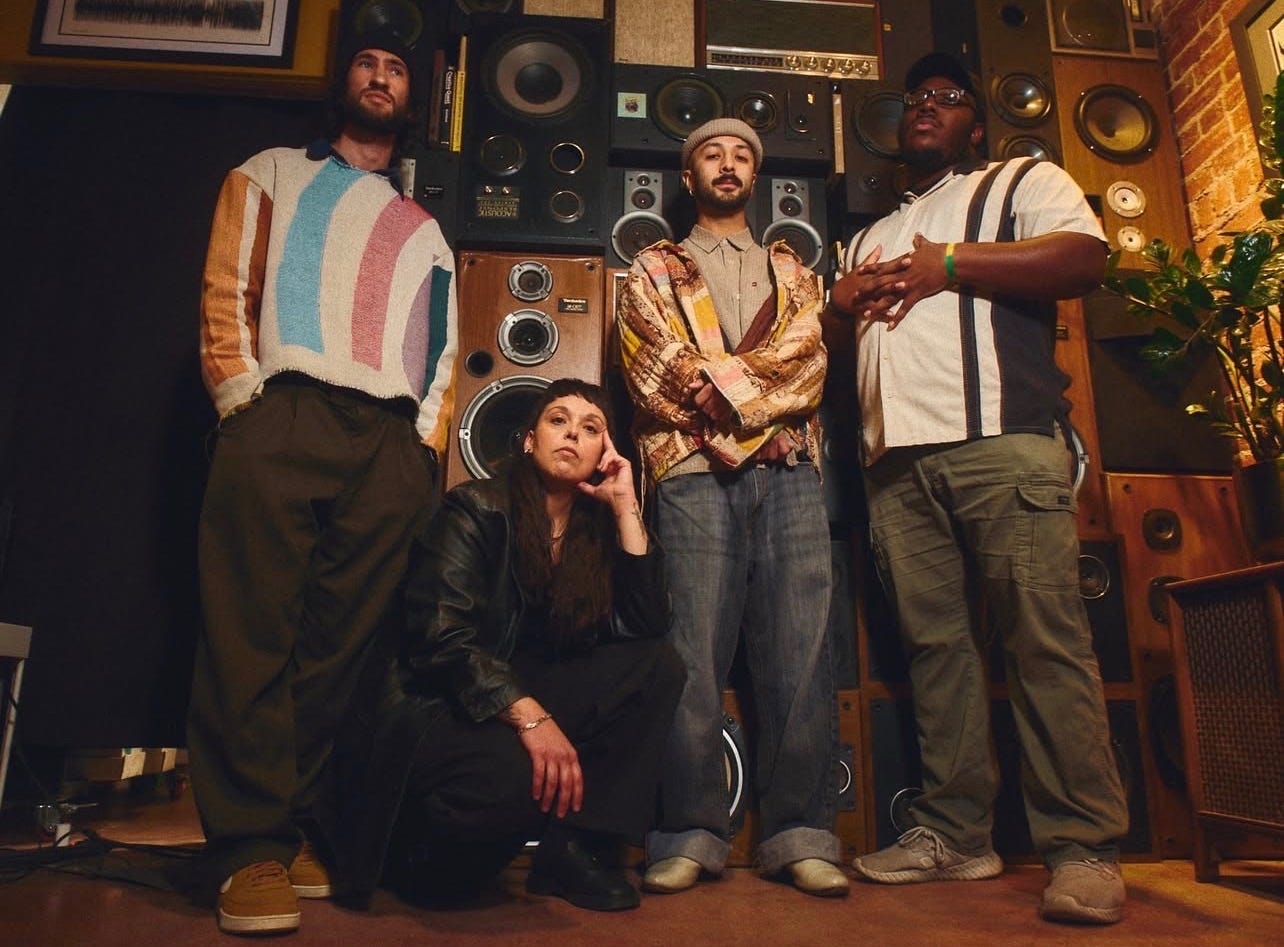
“[And so far as music goes] I’ve come to accept I’m a lifer; this is what I’m here to do, and ever since I could just kind of like stop wrestling with that question, things have fallen into place.” With this renewed commitment in mind, and creative momentum whipped up by jamming with her newfound friends in LabRats, Lopez finally flew to Gainesville, Florida to reunite with her longtime producer and collaborator Wes Jones for a week of in-studio sessions. The result of those sessions was Rituals of Mine’s first major release in over five years: Endure.
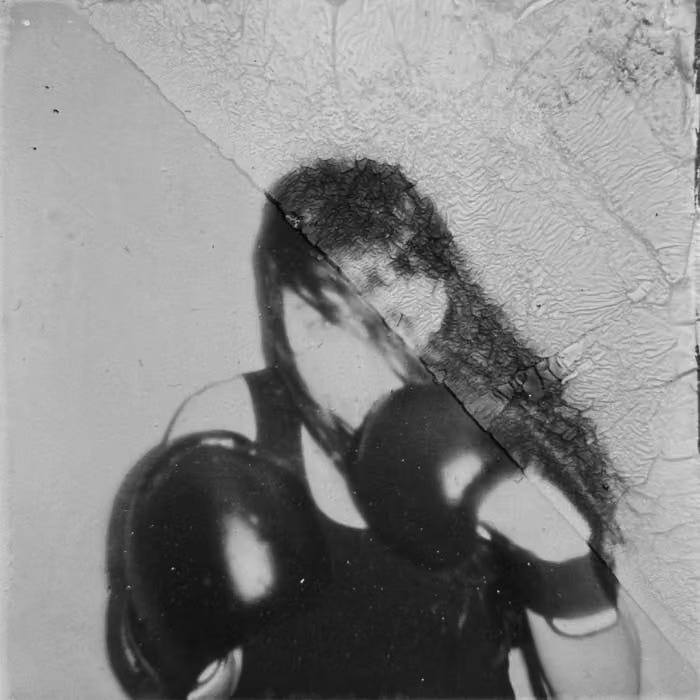
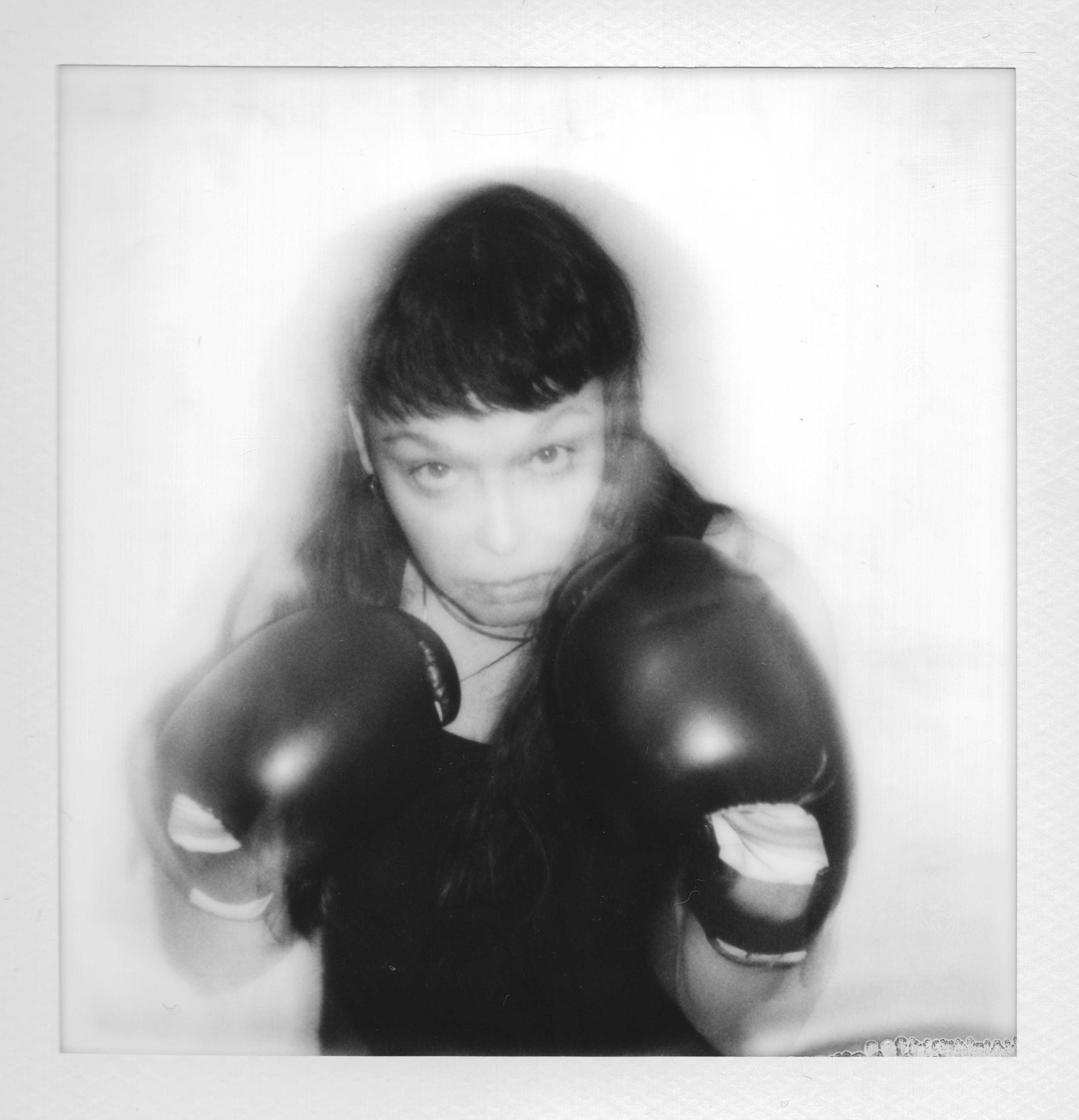
On the cover, Terra is pictured with boxing gloves raised, ready to spar. I had to ask her: “Who is the opponent? What are you fighting against?” Terra laughs, “How real do I want to get here?” For starters, Terra tells me she’s boxed since high school. “It’s the greatest form of release, other than screaming into a microphone. I love it.” So all metaphors aside, the most likely literal answer to that question is: another boxer. But speaking more figuratively, Terra answers, “If you had asked me that question a year ago, I probably would have said all of these personal demons and inner conflicts and all that.” A taste of those inner conflicts haunt track 2 of the EP, “Holding Pattern,” where siren-like synth lines ring out over an urgent breakbeat, as questions of self-doubt poke and prod, “What was I waiting for? / Who was I waiting for? / Seems like I should want more / Why am I so unsure?” Terra tries to be reassured: “They say it’ll all work out,” but is met with restlessness: “I can’t wait to see this turn around.”
Now it seems like it may have finally turned around.
“At this point, I think I don’t feel like I’m fighting myself anymore,” Terra expresses. “Now internally I’m feeling more at peace than I have in a really long time, if ever. [The fight] is more so external now. I would want to, fuck up like, I don’t know, racists or just things that are wrong in the world.” Terra admits it’s “a trip” to listen back to a track like “Holding Pattern” now in the present day. She’s surprised to see how far she’s come, and relieved to not be inhabiting the same state of mind anymore. “I think now more than ever, I’m more interested in joy. There is such a freedom in allowing yourself to experience joy.” And this jubilance seems to be spilling over from Terra’s personal life and into her music. She’s working with faster, more energetic tempos, brighter production, and even smiling during performances on stage now (previously unheard of). But, as with “Holding Pattern”, it’s not all brightness. Often the lyrics still honor or recount past anxieties and depressive episodes, which makes for candid, bittersweet tunes; both energized with optimism and brooding with subtle angst — the latter is familiar in her work, but the former is decidedly new. She’s excited to invite old fans and new listeners alike to this fresh chapter. “My earlier work really can be on the sadder, angrier, dark and moody side. I definitely still honor that space and time. But I hope that folks can join me on this ride. We’re going to play a lot of that darker, heavier stuff. But I also really want to explore these other realms of my voice that I feel like the band that I’m playing with now really brings out of me.”
Terra’s new voice feels mature, lived in, and humanistic in its multi-dimensionality. It would be easy to wallow in the despair and the unfairness of all that we suffer. Yet it’s not what happens to us that defines us, but our capacity to endure it. Consequently “endure” is one of Terra’s favorite words. “Just to be human takes such endurance, right?” Terra asks. “Like, for all of us to just like get up every day and to do this thing, it’s no small thing. And so I really wanted to honor that.” In honoring it, she doesn’t want anything to be defined by light or shade alone, but to hold both, to experience beauty, gratitude, and humility in the way those opposing forces meet to forge the very shape of our lives.
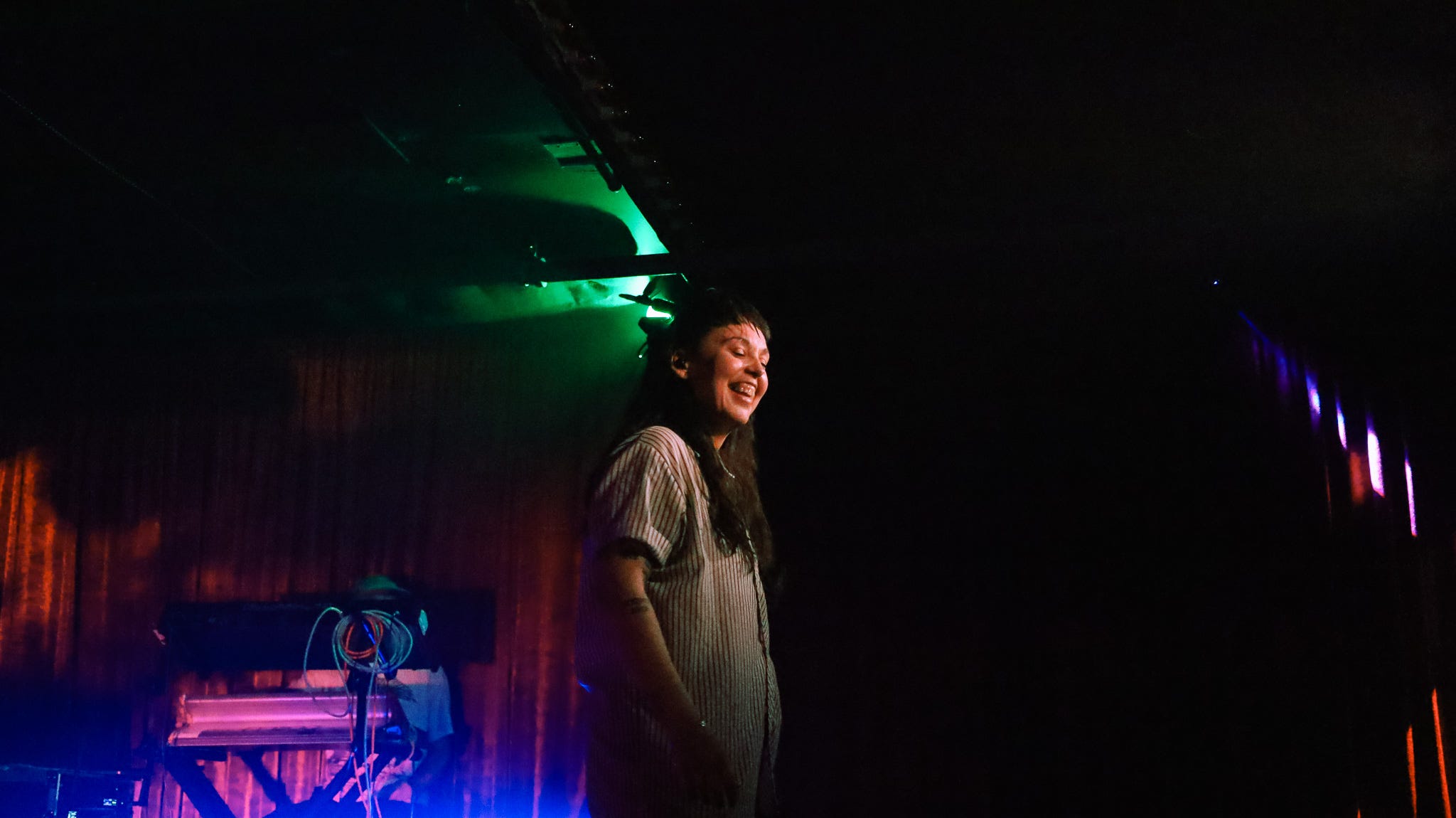
The sky outside the window behind Terra is now fully dark. Our call takes place a little over a month after Endure and the music video for “Hard to Miss” has been released to the public. With the time the project has now spent in the open world in mind, I have just three more questions. The first of which is:
“How has the reception been?”
“It feels incredible!”
“Because I really had no expectations,” Terra admits, “I didn’t know if I was ever going to release anything again, and so just putting out anything felt amazing. But then actually having the response from fans… it’s so cool!” Terra describes the humility and deep sense of connection it brings her to hear how tracks like “Rewound” resonate with listeners. It must feel like a full circle moment, from the child glued to her portable AM radio to the adult recording artist feeding back into the medium that gave her so much. But it doesn’t matter how much you grow up or how long you’ve been doing something, you still continue to draw from that well of influences, old and new. Which brings me to the second question:
“What’s inspiring you now?”
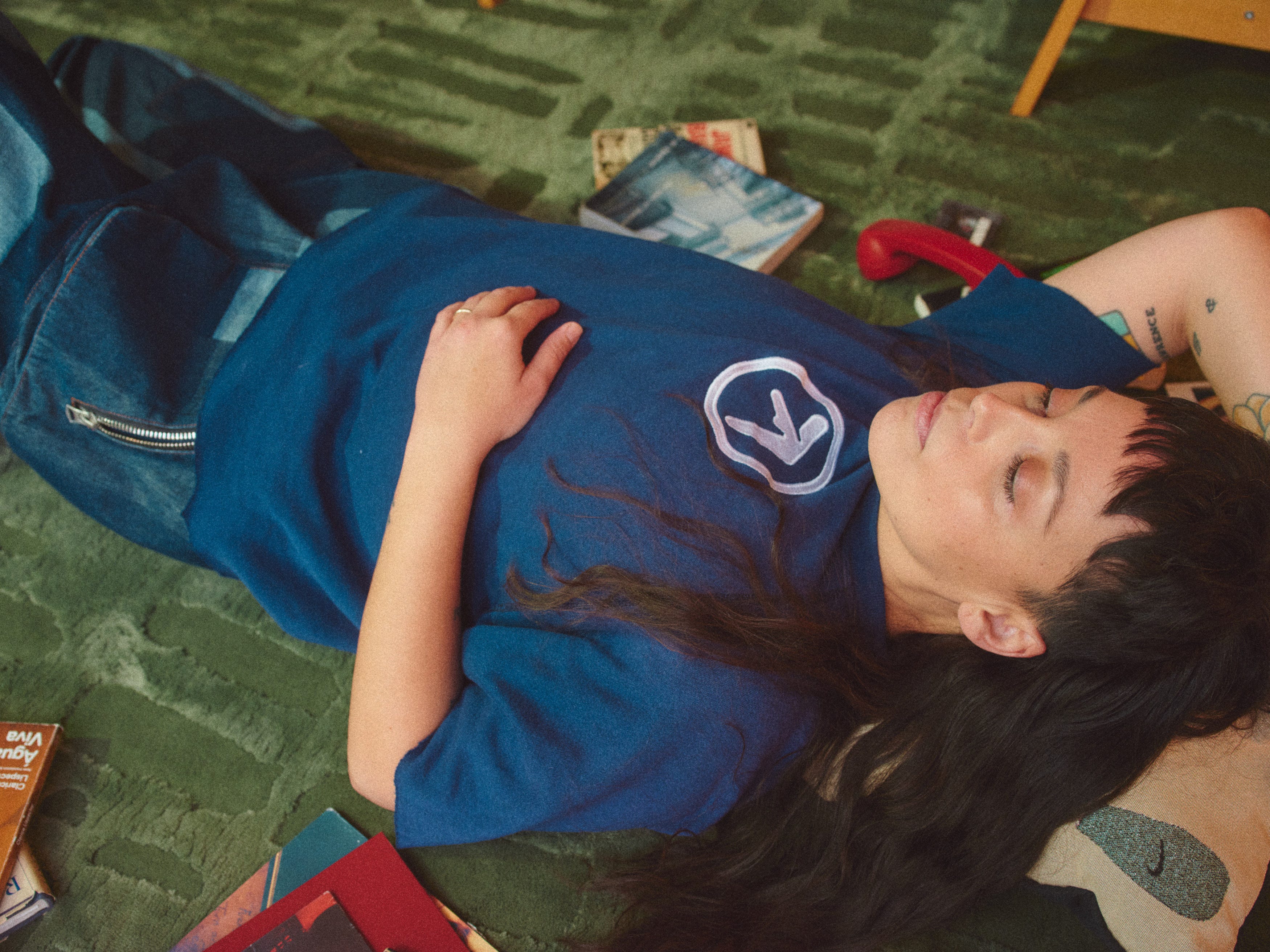
If you’ve learned anything about Terra by now it’s that the answer involves both music and literature. Music-wise, Björk has always been her biggest inspiration (she has the tattoo to prove it). An artist like Björk bridges two sides of Terra: the vocal pop songwriting she grew up hearing on the radio, and the left-field electronic music she reveres from techno legends like Aphex Twin and Squarepusher. In addition to straddling many genres, and bringing both the mainstream and the avant-garde, Björk’s distinct and holistic aesthetic approaches to each of her eras make her an endless source of both awe and inspiration. But right here, right now, Terra wants to make sure you hear Christine and the Queens.
“I’m obsessed!”
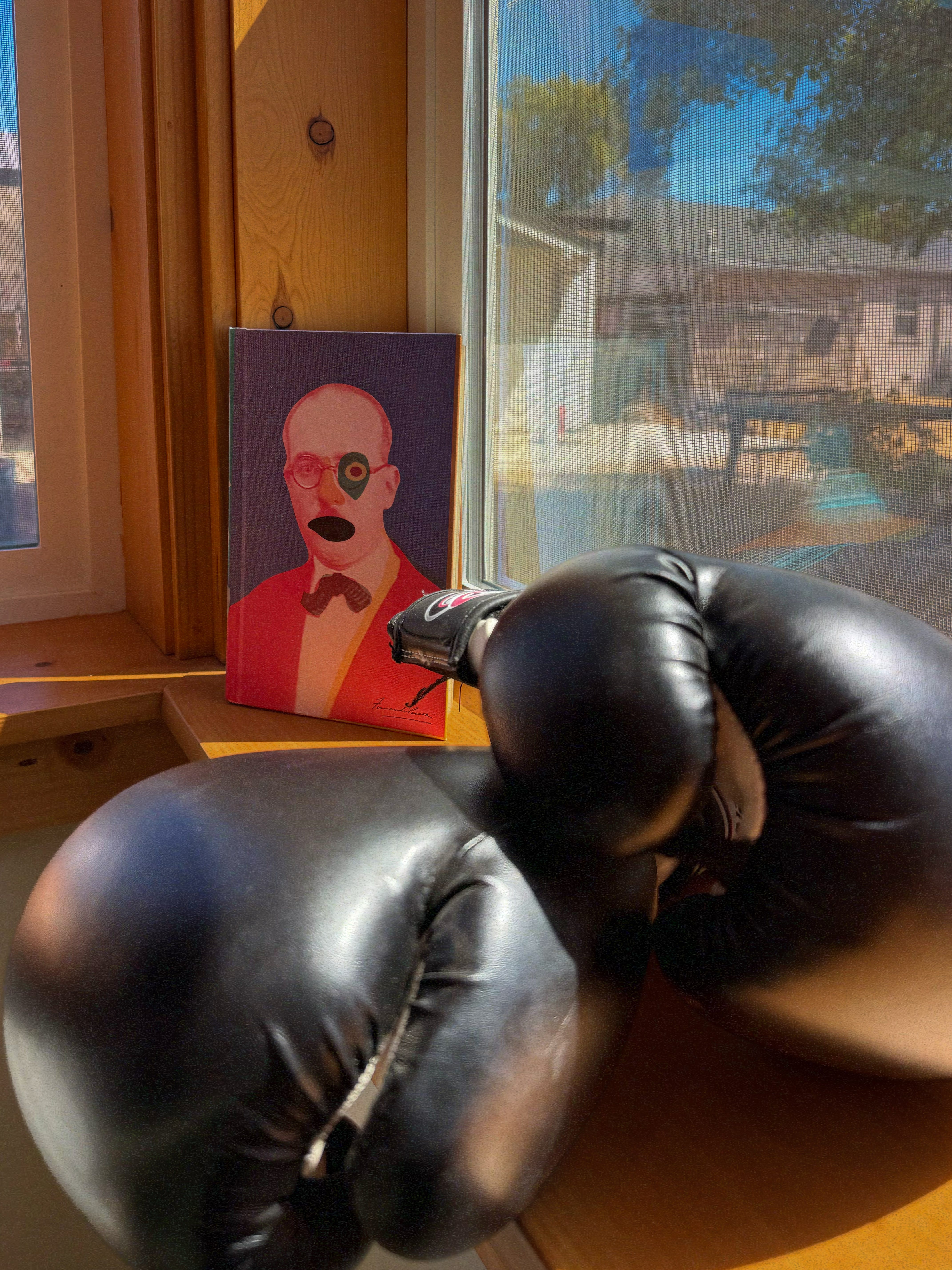
As far as literary influences go, the enigmatic and singular Portuguese author Fernando Pessoa looms large. Pessoa wrote under dozens of different identities and alter-egos, which he termed “heteronyms,” as a means of freely exploring different voices and perspectives. He was bafflingly prolific, but also published almost none of his work while alive, instead filling trunks with scores of manuscript pages of unpublished and unedited work. He died in relative obscurity to the literary world. His seminal work, The Book of Disquiet, was one such unearthed manuscript; published posthumously, it turned Pessoa, who had been dead for decades, into an icon of Portuguese literature, and 20th-century literature at large. Pessoa wrote the manuscript over decades of his life, writing in a stream of consciousness style, detailing melancholic and existential flavored thoughts and perceptions, with no particular plot or story. At times, the text often resembles a mood-piece prose-poem, which makes it uniquely inspiring for a musician and songwriter. “It was life-altering for me,” Terra says of Pessoa’s writing. “It gave me permission to be able to write THAT honestly and THAT abundantly.” The Book of Disquiet is Terra’s favorite book. During our conversation, it sat on the windowsill, next to a pair of boxing gloves.
Terra also admires Jean Genet, and his penchant for beautifully depicting queerness and social outcasts (particularly for the time period in which he was writing), with her favorite of his being Our Lady of the Flowers. And at the time of our conversation, Terra is in the middle of reading two books: The Beginning Comes After the End by Rebecca Solnit, and All Down Darkness Wide: A Memoir by Seán Hewitt. Terra hints that it’s possible some of the aforementioned music and literature is influencing an upcoming project, which brings me to my final question:
“What’s next?”
You can catch Rituals of Mine’s live act (comprised of Terra and LabRats) on tour hopefully this fall, the full dates and details of which are still forthcoming (though as I understand it, true to Lopez’s love of the written word, there are talks of the venues all being bookstores). There’s also an upcoming live record in collaboration with LabRats in the works. And Terra, energized as ever, says of her latest creative process, “Right now I’m actually producing a lot of the songs for this next studio album myself. I’m very early on, but that’s been really incredible and really affirming for me to be able to do. So I’m just like in my studio every night, getting the bones of the next LP, and I’m really, really excited about it.”
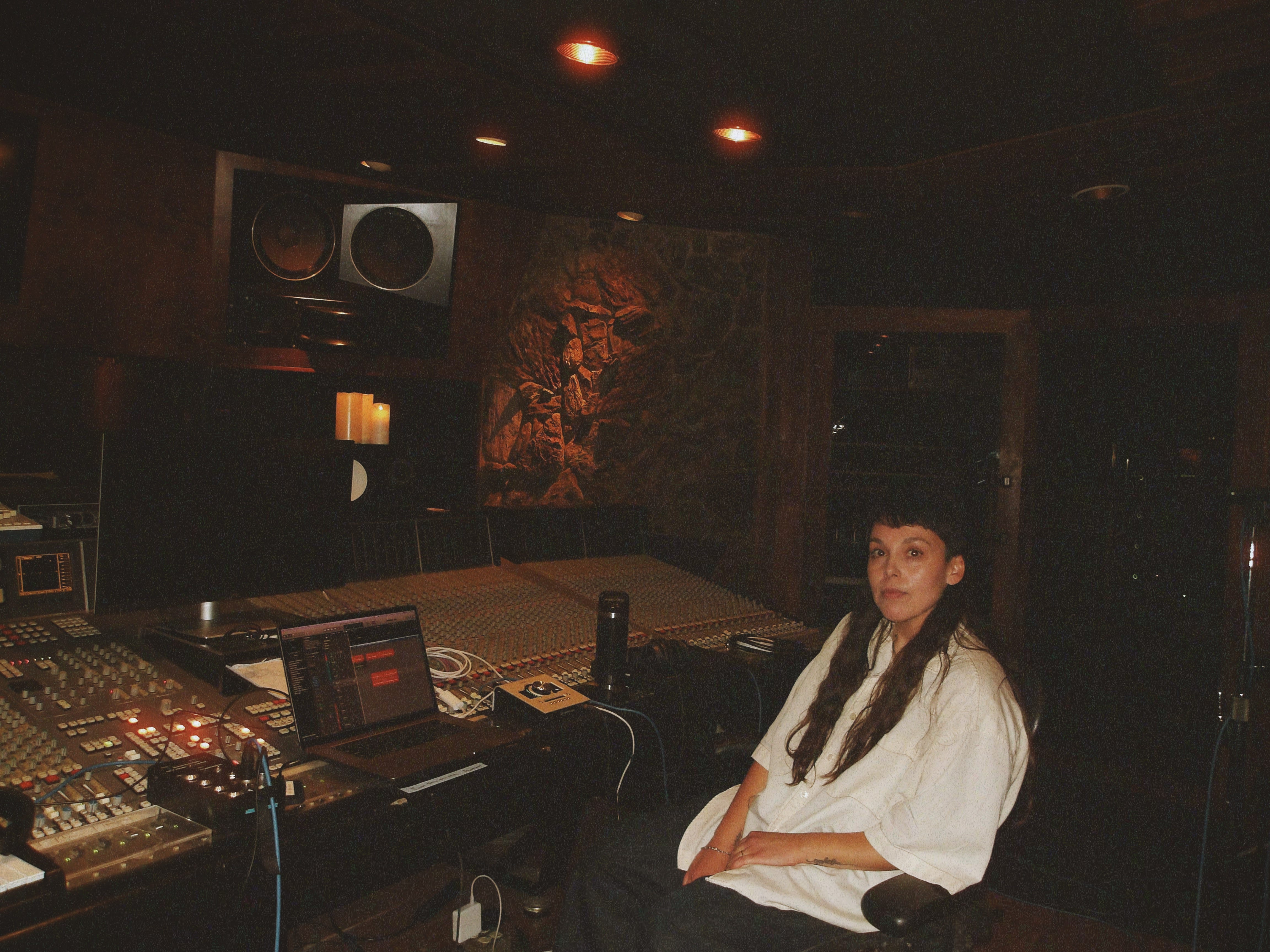
There was a time Terra questioned if she even had a future as a musician. If her year of introspection and soul searching taught her anything, it was that a future as a musician was the only future she wanted. There were times life handed Terra a brutal season to survive and weather. If these seasons taught her anything, it was that all seasons pass, and that the ability to withstand it all was humbling and beautiful. There was a time Terra wondered how her music could contain light and shade without letting either completely define it. Endure is Terra’s answer to that question, in both words and in music. There was a time Terra couldn’t describe the genre or style of her music if asked. That hasn’t changed; her truth remains.
Not pretty but real.
Terra and I bid each other farewell — the call disconnects.